

Formal Dress Guide: Styles, Dress Codes & Fashion Tips
Formal Dress Guide: Everything You Need to Know About Formal Attire for Women
What Is a Formal Dress?
A formal dress is an elegant outfit designed for sophisticated occasions that require a higher level of dress code than everyday wear. Whether you're attending a black-tie gala, wedding, charity fundraiser, corporate event, or formal dinner, choosing the right formal dress helps create a polished and memorable impression.
Formal dresses are typically made from luxurious fabrics such as satin, silk, chiffon, velvet, lace, and tulle. They often feature refined silhouettes, intricate details, and timeless designs that elevate them beyond casual or semi-formal attire.
Understanding formal dress etiquette can help you feel confident and appropriately dressed for any special occasion.
Understanding Formal Dress Codes
Before shopping for a formal dress, it's important to understand the event's dress code.
Black Tie
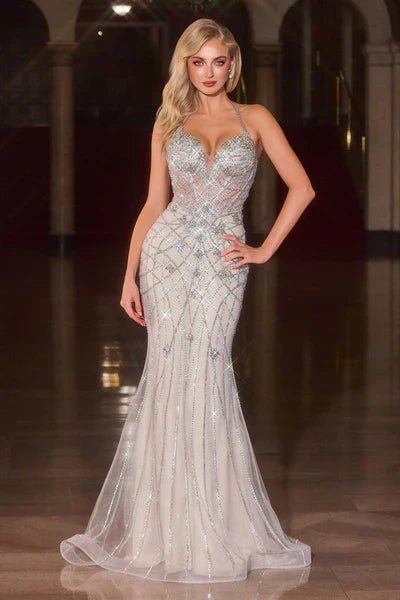
Black-tie events are among the most common formal occasions. Women typically wear floor-length gowns or sophisticated evening dresses. Popular choices include satin gowns, elegant mermaid dresses, and classic A-line silhouettes.
Black Tie Optional
This dress code offers more flexibility. Women may wear a full-length gown, a chic midi dress, or an elevated cocktail dress with formal accessories.
White Tie
White tie represents the highest level of formal attire. These events generally require full-length evening gowns, elegant jewelry, and sophisticated styling.
Formal Wedding Attire
Formal weddings often require elegant dresses that balance sophistication with comfort. Floor-length gowns, luxurious fabrics, and understated accessories are ideal choices.
Different Types of Formal Dresses
A-Line Formal Dresses
The A-line silhouette remains one of the most flattering formal dress styles. Fitted at the top and gradually flowing outward, it complements a variety of body shapes and event settings.
Mermaid Formal Dresses
Mermaid gowns create a glamorous silhouette by hugging the body through the hips before flaring dramatically below the knees. These dresses are especially popular for galas and evening events.
Ball Gowns
For the ultimate statement, ball gowns offer dramatic volume and timeless elegance. They are commonly worn at luxury weddings, charity balls, and upscale celebrations.
Sheath Dresses
Sheath dresses provide a sleek, modern look with clean lines. Their minimalist design makes them ideal for formal business events and sophisticated evening occasions.
Off-the-Shoulder Formal Dresses
This romantic style highlights the neckline and shoulders while maintaining an elegant appearance suitable for formal gatherings.
How to Choose the Perfect Formal Dress
Finding the perfect formal dress requires more than following trends. Consider the following factors before making your selection.
Consider the Event
A black-tie gala requires a different dress than a formal wedding or corporate dinner. Always review the invitation's dress code before shopping.
Select the Right Length
Long formal dresses remain the most traditional choice for formal occasions. However, elegant midi dresses may also be appropriate depending on the event.
Choose Quality Fabrics
Premium fabrics instantly elevate the overall appearance of a formal dress.
Popular choices include:
-
Satin
-
Silk
-
Chiffon
-
Velvet
-
Lace
-
Crepe
-
Tulle
Focus on Fit
Even the most beautiful dress can look unflattering if it does not fit properly. Tailoring can make a significant difference in achieving a polished look.
Best Formal Dress Colors
Black Formal Dresses
Black remains the gold standard of formal fashion. Timeless, sophisticated, and versatile, a black formal dress works for almost every occasion.
Navy Blue Formal Dresses
Navy offers the same elegance as black while providing a softer, more modern alternative.
Emerald Green Formal Dresses
Emerald green continues to trend due to its luxurious appearance and ability to complement a wide range of skin tones.
Burgundy Formal Dresses
Burgundy is especially popular during fall and winter formal events.
Champagne and Metallic Tones
Gold, silver, and champagne-colored dresses create a glamorous aesthetic perfect for galas and holiday celebrations.
Formal Dresses for Different Occasions
Formal Wedding Guest Dresses
Wedding guest attire should complement the event without drawing attention away from the couple. Elegant gowns, sophisticated midi dresses, and refined floral designs are popular options.
Gala Formal Dresses
Galas provide an opportunity to embrace luxurious fabrics, statement silhouettes, and elevated accessories.
Prom and Special Events
Formal dresses for prom often feature modern trends such as corset bodices, high slits, and dramatic silhouettes while maintaining elegance.
Corporate Formal Events
Professional formal gatherings call for refined dresses that balance sophistication with a polished appearance.
Formal Dress Trends in 2026
Fashion trends evolve every year, but elegance remains timeless. The most popular formal dress trends include:
Minimalist Luxury
Clean lines and sophisticated tailoring continue to dominate formal fashion.
Satin Gowns
Satin remains one of the most sought-after fabrics for evening wear due to its luxurious finish and timeless appeal.
Corset-Inspired Bodices
Structured bodices create flattering silhouettes while adding a touch of modern glamour.
Off-the-Shoulder Necklines
This trend remains popular for both formal weddings and evening events.
Sustainable Formal Fashion
More consumers are prioritizing high-quality dresses designed for repeated wear rather than single-use occasions.
How to Accessorize a Formal Dress
Accessories can transform an outfit from beautiful to unforgettable.
Jewelry
Choose elegant pieces that complement your dress.
Popular options include:
-
Diamond studs
-
Pearl necklaces
-
Tennis bracelets
-
Statement earrings
Shoes
Formal footwear should balance style and comfort.
Recommended options include:
-
Strappy heels
-
Classic pumps
-
Elegant sandals
-
Block heels
Evening Bags
A sleek clutch or small evening bag is the perfect finishing touch for formal attire.
Common Formal Dress Mistakes to Avoid
Many people make avoidable mistakes when dressing for formal occasions.
Ignoring the Dress Code
Always follow the event's requested attire level.
Over-Accessorizing
Too many statement pieces can overwhelm an otherwise elegant look.
Choosing Style Over Comfort
Formal events often last several hours. Comfort matters just as much as appearance.
Wearing the Wrong Length
When in doubt, a floor-length gown is usually the safest option for formal occasions.
Frequently Asked Questions About Formal Dresses
What is considered a formal dress?
A formal dress is an elegant garment designed for black-tie events, weddings, galas, and other sophisticated occasions that require elevated attire.
Can a formal dress be short?
Yes. While floor-length gowns are the traditional standard, elegant midi and cocktail-length dresses may be appropriate depending on the dress code.
What color formal dress is most versatile?
Black is widely considered the most versatile formal dress color because it works for nearly every occasion and season.
What shoes should I wear with a formal dress?
Classic pumps, strappy heels, and elegant dress sandals are among the most popular choices.
Final Thoughts
A formal dress is more than a piece of clothing—it's a reflection of confidence, elegance, and personal style. Whether you're attending a black-tie gala, formal wedding, luxury celebration, or corporate event, understanding dress codes and selecting the right style can help you look and feel your best.
From timeless black gowns to modern satin silhouettes, the perfect formal dress combines sophistication, comfort, and individuality. Investing in a well-chosen formal dress ensures you'll always be ready for life's most memorable occasions.


